This is a demo store. No orders will be fulfilled.

The Importance of Patient Meal Presentation: Plating
September 29, 2026
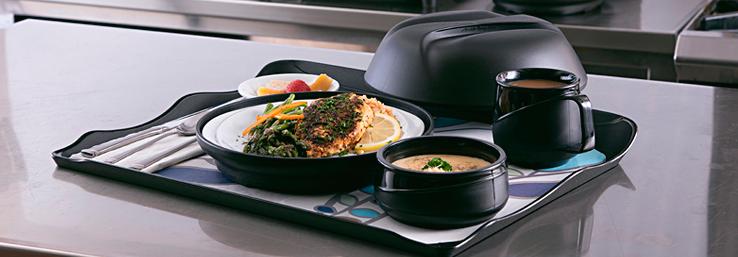
Healthcare patients form opinions about their meals the moment a food tray is placed in front of them. Before taste, temperature, or nutritional value, a patient is most concerned about the appearance of their food. In healthcare environments, where appetite is often reduced and patients may already feel vulnerable, the first visual impression of a meal carries great weight.
But healthcare foodservice presentation is not just about aesthetics. It directly influences how meals are perceived, accepted, and consumed. A well-plated tray communicates care, professionalism, and intention. A poorly presented meal can do the opposite: reinforcing outdated perceptions of “hospital food” and contributing to low consumption, food waste, and dissatisfaction with hospital stays.
Research consistently shows that visual appeal plays a measurable role in patient outcomes. A 2015 study in Clinical Nutrition showed that improved meal presentation increases food intake and decreases readmission rate in hospitalized patients. The study followed 206 hospitalized patients and found that improving how a meal was plated, without changing a single ingredient, raised food intake and lowered readmission rates. Patients who received more attractively plated meals ate more and recovered better.
For healthcare providers, plating is a functional part of care delivery.
The Link Between Presentation and Patient Satisfaction
When a meal is neatly arranged, balanced, and intentional, patients associate it with higher quality. When it appears crowded, inconsistent, or careless, it diminishes perceived care. The visual structure of the plate affects the perceived value of patient meals.
This relationship between presentation and satisfaction is well documented. Research shows that patients often “eat with their eyes,” meaning appearance shapes expectations about taste and quality before the first bite. Even when recipes remain unchanged, improved presentation can increase how flavorful a meal is perceived to be.
In practical terms, this means:
- Defined portions feel more manageable and less overwhelming
- Clean spacing signals organization and attention to detail
- Consistent layouts build trust in the foodservice system
Patient satisfaction is closely tied to these cues. When meals look intentional, patients are more likely to engage with them. When they do not, refusal rates increase, even if the food itself is nutritionally sound.
Removing the “Hospital Food” Stigma Through Intentional Plating
The reputation of hospital food has historically lagged behind improvements in nutrition and culinary quality. Much of that perception is visual.
Patients often judge meals by appearance before taste. Institutional plating where foods are crowded, colorless, or inconsistently arranged reinforces outdated assumptions about quality. Even when meals are thoughtfully prepared, poor presentation can undermine the entire experience. Intentional plating helps shift that perception.
Simple changes can make a measurable difference:
- Centering entrées instead of pushing them to one side
- Using color contrast to create visual interest
- Maintaining clean edges and defined portions
- Avoiding overcrowded trays
These adjustments do not require major operational changes or increased costs. They rely on consistency and design.
Studies in food perception show that visually appealing meals are rated as more flavorful and more satisfying, even when ingredients remain identical. In healthcare settings, where appetite is often compromised, these visual improvements can directly influence intake.
Standardizing Diet Plating Techniques for Consistency
Consistency is one of the most important, and sometimes overlooked, factors in healthcare foodservice presentation. Without standardized plating, tray appearance can vary significantly between shifts, staff members, or departments. This variability weakens the overall dining experience and makes it harder to maintain quality at scale. Standardization solves this problem.
Predetermined plating layouts ensure that every tray follows the same visual structure. This creates:
- Consistent portion placement
- Balanced visual composition
- Faster assembly workflows
- Reduced decision-making during service
From an operational standpoint, standardized plating improves efficiency. From a patient perspective, it reinforces professionalism and reliability.
Consistency also builds trust. When patients receive meals that look the same day after day, organized, clean, and intentional, they develop confidence in the system delivering their care.
Holding Temperature Without Sacrificing Presentation
Presentation does not end at the plating station. It must be maintained through delivery. Temperature plays a critical role in both food quality and appearance. Heat loss can affect texture, color, and structure. Condensation can disrupt carefully arranged components. Movement during transport can shift items and ruin spacing. Thermal-stable plating techniques are essential for preserving visual integrity.
Solutions like temperature-retentive plates and insulated components help maintain both heat and structure during transport. Systems such as Aladdin Temp-Rite meal delivery solutions are designed specifically to address this challenge.
Our Heat On Demand induction systems activate the base right at the tray line and hold the entrée at serving temperature all the way to the bedside, so the plate a patient uncovers looks like the plate the kitchen built. Pairing an activated base with an insulated dome extends that hold time and keeps condensation off the food. For facilities that do not run induction, the Insul-Max® heated base system holds heat for an hour or more, and insulated entrée bases pair with the same domes.
Insulated mugs and bowls do the same job for soups, cereals and beverages, which are the items most likely to reach a patient lukewarm and unappealing.
Maintaining proper holding temperature goes beyond food safety requirements; it preserves the vital visual appeal that encourages patients to eat.
Dinnerware as the Foundation of Patient Meal Presentation
Dinnerware defines the visual framework of a meal.
The size, shape, and coordination of plates, bowls, and traytop components determine how food is perceived. Poorly matched dinnerware can lead to overcrowding, imbalance, or visual confusion. Well-designed systems create harmony and clarity.
Purpose-built healthcare dinnerware supports both presentation and performance like Aladdin’s hospital dinnerware and disposables. This dinnerware is tailored for efficient meal delivery systems and is designed to enable intentional layouts. Features such as nesting bowls, coordinated components, and durable materials allow foodservice teams to maintain consistency across trays.
Key benefits include:
- Proper plate sizing to prevent overcrowding
- Coordinated components for visual alignment
- Durable construction that maintains appearance over time
Dinnerware is more than just a container; it is part of the presentation system.
The Role of Disposables in Maintaining Presentation
Disposable dinnerware protects a plated meal on its way to the patient. Secure dome lids hold food in place, stop spills and keep the arrangement the kitchen created intact. Designed well, disposables support presentation instead of working against it.
High-quality disposable systems work alongside reusable dinnerware by:
- Keeping each component in the position staff plated it in, rather than letting items slide together in transit
- Sealing plates and bowls so nothing spills onto the tray and forces a re-plate
- Matching the shapes and sizes of the reusable pieces, so a tray looks the same either way
Disaster can strike at any time: dishwasher outages, power failures, water interruptions and isolation precautions can force a shift to all-disposable service. That does not have to mean a worse looking tray. When high heat disposables and covers are sized to the same layout your reusable dinnerware uses, staff plate the way they always do, portions stay defined and the tray still reads as intentional. Facilities that keep a coordinated disposable set on hand protect both presentation and patient confidence; when disposables are part of a broader foodservice system, the meal the kitchen plated is the meal the patient sees at the bedside.
Reducing Food Waste Through Better Presentation
Food waste is a persistent challenge in healthcare.
Studies show that a significant portion of hospital meals go uneaten. An analysis of nutritionDay data covering more than 110,000 hospitalized patients in 54 countries found that only 41.6% ate all of the food they were served (Clinical Nutrition ESPEN, 2020). Visual appeal is a major factor in this outcome.
Unattractive meals are more likely to be refused. Appealing plating encourages engagement and consumption. When patients eat more, waste decreases.
Improved presentation supports operational outcomes by:
- Reducing food waste
- Lowering costs
- Improving efficiency
- Enhancing sustainability
From a performance standpoint, healthcare foodservice presentation becomes a measurable factor, not just a subjective one.
Evaluate the Tray, Elevate the Experience
Patient meal presentation shapes perception, trust, and outcomes. Every tray component contributes to the dining experience. Presentation, temperature control, dinnerware, and delivery systems work together as one integrated system.
Small improvements in plating can lead to meaningful gains in patient satisfaction, food intake, and operational performance. The evidence is clear: when meals look better, patients eat more, recover more effectively, and engage more positively with their care. Organizations that evaluate and improve their plating systems position themselves to deliver a higher standard of care.
Aladdin Temp-Rite provides solutions designed to support this goal; combining durable dinnerware, temperature maintenance, and system-wide consistency to elevate healthcare foodservice presentation.
If you’re looking to redesign your healthcare meal delivery system, contact Aladdin for assistance. We can help advise on customizing your system operations, provide quotes for your unique needs, and more.

