This is a demo store. No orders will be fulfilled.

Consistency in Food Service: Improving Hospital Meal Delivery
January 22, 2026
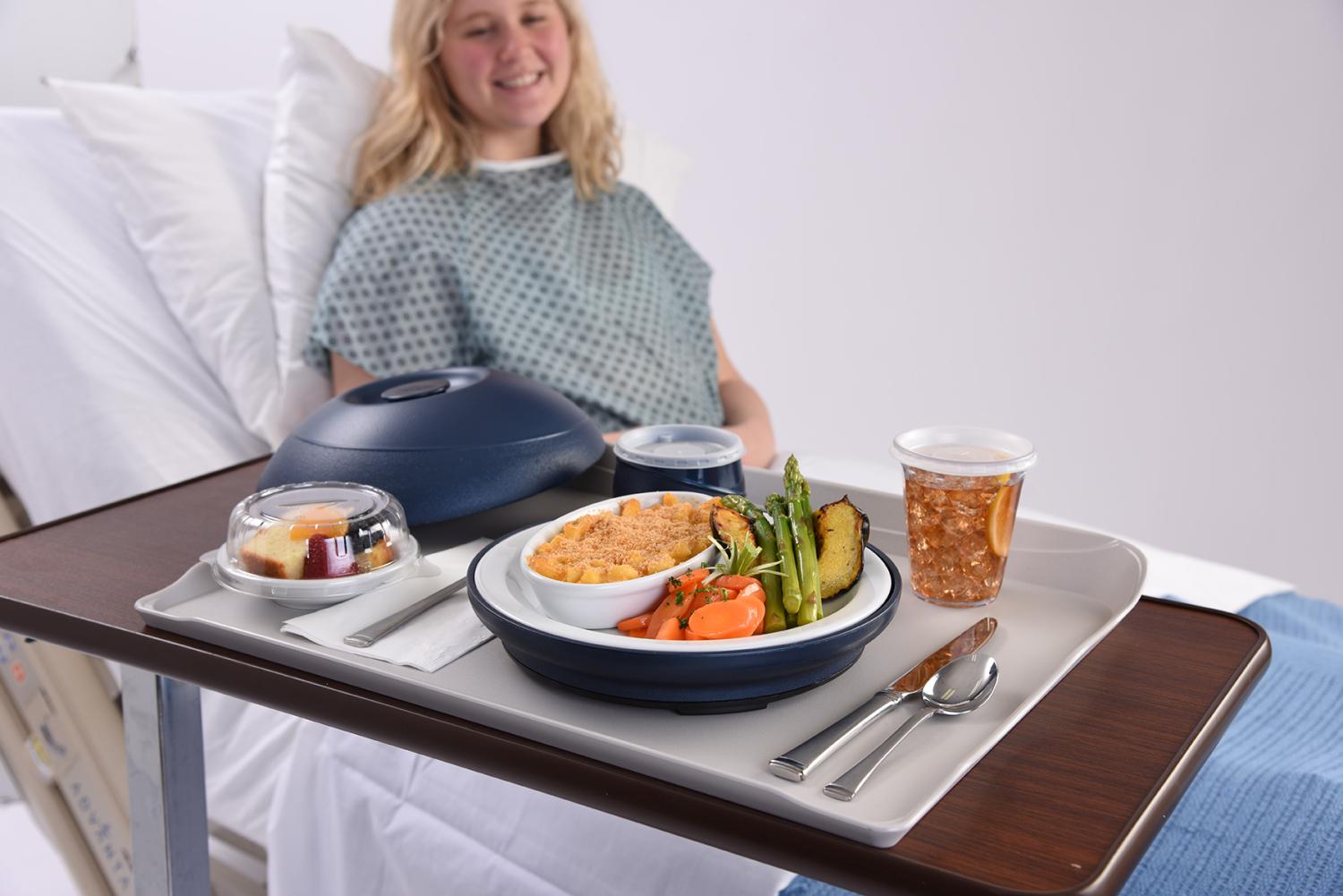
Why Consistency Matters in Hospital Food Service
Consistency in hospital foodservice operations is a cornerstone of quality patient care. Patients arrive with unique medical needs, dietary restrictions and personal expectations, so every meal must meet clinical requirements while supporting patient comfort and dignity. When a renal patient receives a standard tray by mistake, or when routine delays lead to lukewarm meals, trust and satisfaction decline quickly. Reliable processes ensure that no matter who is working or what challenges arise, patients receive the right meal prepared and delivered the right way, every time.
1. Nutritional Stability
Hospital meals go beyond being food, they are a critical part of treatment. For instance, a diabetic patient who receives accurately portioned meals with predictable carbohydrate counts at every service can better maintain healthy glucose levels throughout the day. Consistency ensures that portion sizes, recipe standards and nutritional balance remain uniform across every tray. For medically restricted diets, such as renal, cardiac, diabetic or low-sodium, even small variations can negatively affect health outcomes. When food quality or meal content fluctuates, patients may eat less, reducing calorie and nutrient intake and potentially slowing recovery. By providing reliable, appropriate nourishment, hospitals build trust and reduce patient anxiety, ensuring that every meal delivers healing, not hardship.
2. Patient Satisfaction
Meals are one of the few experiences every patient has multiple times per day, making hospital food service a major contributor to how patients perceive care. Breakfast trays that consistently include the requested beverage, fruit and entrée help patients feel heard and supported. Similarly, a patient with a nut allergy who receives safe alternatives without needing to remind staff builds trust in the system. When meals arrive on time, at the right temperature and correctly prepared, patients feel valued. Reliable quality reduces complaints and stress, while inconsistency raises frustration and can add extra work for hospital staff.
3. Dietary Compliance and Accuracy
When managing dozens of diet types at once, even small errors can have clinical consequences. If a cardiac patient receives appropriate low-sodium meals at every service, they experience better treatment continuity. Likewise, vegetarian patients who reliably receive correctly labeled trays can feel safe with their meals. Standardized assembly steps, diet labeling and final checks reduce the risk of patients receiving meals they cannot safely eat. Reliable, consistent hospital foodservice operations protects patient health, supports clinical outcomes and minimizes avoidable complications.
4. Hygiene and Safety
Consistent practices in food handling, storage, transportation and sanitation reduce the risk of contamination. For example, hot meals that stay within the correct temperature range and cold items that remain chilled throughout distribution help prevent foodborne illness. Standardized procedures supported by hospital meal delivery systems help reduce food safety risks, prevent equipment downtime and maintain compliance with health regulations. When every team member follows the same steps, food safety becomes easier to manage and sustain long-term.
5. Management Efficiency
Unpredictability creates bottlenecks. Consistent workflows make it easier to assign responsibilities, train new staff and set clear performance expectations. When a hospital foodservice team has predictable procedures in place, they are able to reduce chaos during peak service times, allowing staff to work confidently and efficiently even when the pace is fast. Reliability limits the need for last-minute troubleshooting, strengthening morale and keeping attention on patient-focused tasks. Standard processes also make quality control easier to monitor and track across shifts, improving overall hospital foodservice operations.
6. Impact on Recovery
Consistency in meals directly supports recovery by ensuring patients receive the right nutrients at the right time. A great example of this is post-operative patients who receive high-protein meals at every service can show faster wound healing. Similarly, oncology patients benefit when hydration and snack routines remain steady each day. Patients on recovery-critical diets, such as post-surgery, oncology or cardiac care, rely on predictable, nutritionally complete meals. When food service is inconsistent, patients may skip meals or fail to get the nutrients they need, potentially slowing recovery and prolonging hospital stays.
7. Emotional Well-Being
Hospitalization can be stressful, and food is one of the few comforting routines patients can depend on. Giving a patient the experience of knowing a favorite menu item will be available on a certain day, or seeing a tray that looks appealing and complete, gives them a greater sense of normalcy and control. Even small disruptions such as missing items, cold entrées or unexpected substitutions can feel discouraging when a patient is already coping with discomfort or uncertainty. Consistent, visually appealing meals help support emotional comfort throughout the stay.
8. Communication and Collaboration
Aside from delivering visually appealing, correct-temperature hospital meals to patients, strong communication between nursing and foodservice teams is essential to maintaining consistency. A nursing team in lock-step with foodservice colleagues can easily respond to any potential diet changes or other meal requirements giving hospital patients correct meals without delay. Regular reporting and feedback loops allow staff to identify small issues before they grow into larger problems. Consistency is strengthened when every stakeholder understands how their role contributes to the patient experience.
5 Ways Hospitals Can Strengthen Consistency
Hospitals can take practical steps to strengthen consistency in food service, ensuring that every patient receives reliable, safe and satisfying meals. Here are a few recommendations to strengthen your foodservice consistency:
-
Create and document standard operating procedures for tray assembly, sanitation, temperature monitoring and delivery routing.
-
Cross-train staff across operational areas to keep service quality steady during staffing changes.
-
Use regular quality checks, such as tray audits, to catch small issues before they grow.
-
Hold routine touchpoints between nursing and foodservice teams so diet changes and feedback are communicated quickly.
-
Invest in equipment and hospital meal delivery systems that support repeatable performance and minimize error risk.
Tools and Systems That Support Consistency
Investing in the right tools and systems can help hospitals maintain consistent quality, streamline workflows and support staff in delivering dependable meal service. Here is a list of some great tools to help achieve this goal:
Meal Delivery Systems
Meal delivery systems like Aladdin Temp-Rite’s Convect-Rite® maintain tight thermal control, helping meals arrive at the correct serving temperature. These systems reduce variability in meal presentation and quality as food travels from the kitchen to the bedside. US-made units are built for durability and long service life, providing dependable performance day after day.
Tray Assembly and Storage Solutions
Organized tray lines help ensure orders are complete, reducing overlooked components, diet inaccuracies and workflow bottlenecks. Standardized layouts make it easier to train new staff and keep operations fast and predictable, even during busy service periods.
Dinnerware and Disposables
Durable, insulated dinnerware and professional presentation help maintain both food temperature and visual quality, reinforcing consistency on every tray. Consistency serviceware promotes uniform plating, makes meals more appealing, and helps improve patient satisfaction.
Take Action: Elevate Hospital Foodservice Consistency Now
Consistency in hospital food service is critical to patient health, satisfaction, emotional comfort and operational efficiency. When hospitals invest in reliable procedures and the right tools, patients receive better experiences and stronger nutritional outcomes.
Aladdin Temp-Rite offers hospital meal delivery systems, tray assembly solutions and insulated serviceware designed to support long-term performance and dependable results. We can help your team achieve consistency in foodservice and improve patient satisfaction and outcomes.
Connect with an Aladdin Temp-Rite sales representative to discuss your challenges and explore solutions. We want to ensure your hospital foodservice team can contribute to improved patient satisfaction and a more positive overall healing experience.

