This is a demo store. No orders will be fulfilled.

Delivering Reliable Nutrition and Hydration: Supporting Patient Comfort and Recovery
February 07, 2026
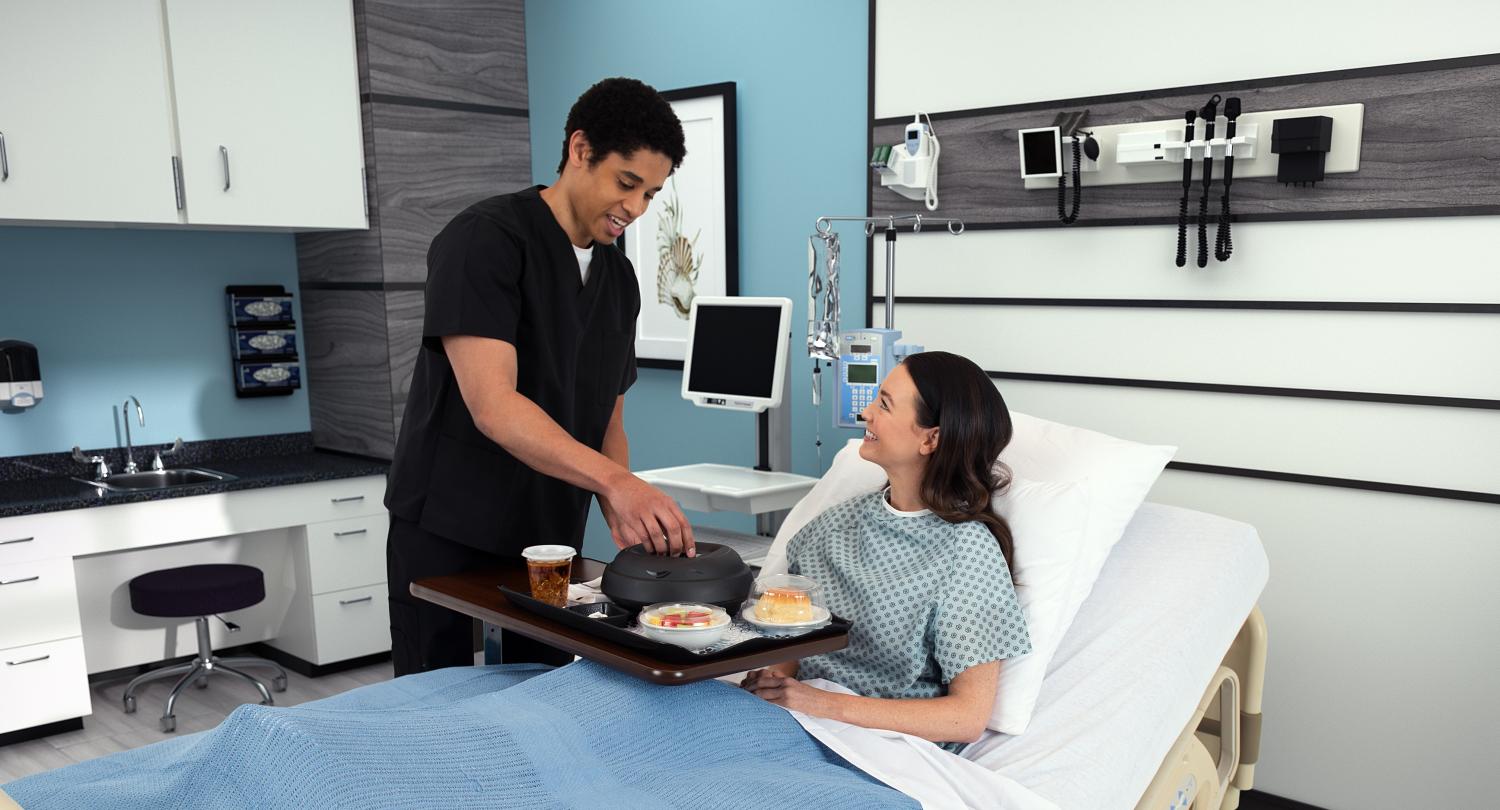
Nutrition and hydration are fundamental to healing, and the way they are delivered plays a critical role in patient comfort, satisfaction, and recovery outcomes.
In healthcare, patient well-being depends on more than medical care alone. Reliable ice and meal delivery systems are essential to ensuring patients receive consistent, high-quality nourishment and hydration. When these elements are compromised, the consequences can be clinically significant, including malnutrition, dehydration, longer hospital stays, and higher readmission rates.
The Clinical Impact of Malnutrition and Dehydration
Malnutrition and dehydration are pervasive challenges in hospitals, particularly among older adults. Research indicates that up to 50% of older patients meet the criteria for malnutrition prior to hospitalization and often worsens during their hospital stay due in part to poor appetite, medication side effects, fasting for procedures, or illness-related factors [1][2]. Similarly, dehydration is common among hospitalized patients, with older adults especially at risk due to physical limitations and chronic health conditions [3].
Why patients are at higher risk of malnutrition or dehydration during care stays
Patients may experience reduced appetite, difficulty eating or drinking, or fatigue related to illness or medication. Without reliable nutrition and hydration delivery, these factors can compound, leading to poorer recovery outcomes and longer lengths of stay.
Q&A: What are the consequences of malnutrition and dehydration during healthcare stays?
The consequences of malnutrition and dehydration can be extensive:
-
Longer hospital stays and higher care costs
-
Increased risk of infection and medical complications
-
Impaired wound healing and slower recovery
-
Cognitive decline and functional deterioration
-
Higher readmission rates
By addressing the risks of malnutrition and dehydration, healthcare teams can improve recovery outcomes and reduce preventable complications. Consistent delivery of nutrition and hydration is essential in this effort.
Supporting Hydration Through Reliable Ice and Beverage Access
Hydration is fundamental to circulation, digestion, cognitive function, and medication effectiveness. For many patients, especially older adults, ice is a preferred and effective way to encourage fluid intake.
The role of hydration systems in patient comfort
Consistent access to clean, safe ice and beverages allows patients to hydrate throughout the day without relying solely on staff availability. Reliable hydration equipment supports patient independence while reducing strain on care teams.
Why Meal Temperature Matters for Nutrition Intake
Meal quality is not only about ingredients or dietary planning, temperature plays a critical role in whether patients eat their meals. Food that arrives too cold or improperly heated can quickly reduce appetite and satisfaction.
Consistency from kitchen to bedside
Reliable temperature control equipment helps maintain proper temperatures from preparation through service. When meals arrive as intended, patients are more likely to eat, supporting nutritional goals and recovery.
Q&A: How does meal temperature affect patient outcomes?
Meals served at the correct temperature are more appealing and easier to consume, increasing intake and supporting nutrition plans. Consistency also improves patient satisfaction and reduces food waste.
Reliability as a Foundation for Patient-Centered Foodservice
Nutrition and hydration plans depend on equipment that performs consistently, day after day. From meal delivery systems to heating, refrigeration, and hydration equipment, reliability ensures that care teams can focus on patients rather than operational interruptions.
Aligning equipment performance with care goals
When foodservice and hydration equipment function as expected, healthcare teams can deliver meals and fluids on schedule, safely, and with confidence. This alignment supports both patient comfort and operational efficiency.
Supporting Better Patient Experiences Through Reliable Systems
Delivering nutrition and hydration is not a single task, it is a system that connects clinical goals, operational workflows, and patient experience. Reliable equipment helps bridge the gap between planning and delivery, ensuring patients receive nourishment consistently and comfortably.
Scotsman’s Meridian™ Series ice and water dispensers are engineered for healthcare environments where ice is essential for hydration, comfort, and care. With a compact footprint, quiet operation and antimicrobial AquaArmor with AgION™, Meridian™ units are easy to clean, service and place, even in tight spaces. Their soft, chewable ice is ideal for patients with swallowing difficulties or post-operative needs.
Visit scotsman-ice.com to see how Scotsman Ice can change your operation for the better.
Aladdin Temp-Rite® has over 50 years of experience in healthcare foodservice, offering advanced meal delivery systems that ensure food arrives hot, fresh, and safe. From induction activators and durable dinnerware to ergonomic carts and efficient trayline equipment, Aladdin’s solutions are built to enhance patient satisfaction and streamline operations.
Contact your Aladdin sales representative to experience our commitment to quality and customer success.
Key Takeaways
-
Nutrition and hydration are foundational to patient recovery
-
Older and vulnerable patients face higher risks of malnutrition and dehydration
-
Reliable hydration and ice systems encourage consistent fluid intake
-
Proper meal temperature supports appetite and nutrition goals
-
Equipment reliability strengthens patient-centered care and operational efficiency
Sources:
[1] Bellanti F, Burglio A, Quiete S, Vendemiale G. Malnutrition in hospitalized old patients: screening and diagnosis, clinical outcomes, and management. Nutrients. 2022; 14:910.
[2] Kirkland, L.L.; Kashiwagi, D.T.; Brantley, S.; Scheurer, D.; Varkey, P. Nutrition in the hospitalized patient. J. Hosp. Med. 2013, 8, 52–58.
[3] Edmonds CJ, Foglia E, Booth P, Fu CHY, Gardner M. Dehydration in older people: A systematic review of the effects of dehydration on health outcomes, healthcare costs and cognitive performance. Arch Gerontol Geriatr. 2021 Jul-Aug; 95:104380
[4] American Journal of Critical Care, 2020

