This is a demo store. No orders will be fulfilled.

Prioritizing Patient Wellness
September 28, 2023
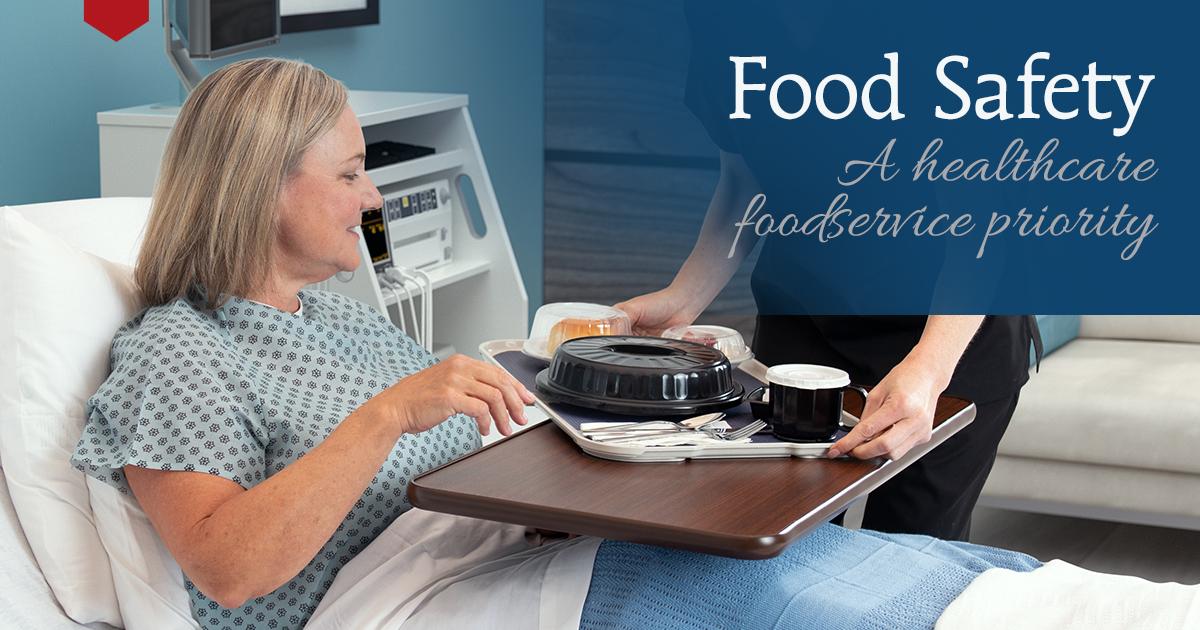
The Crucial Role of Food Safety in Healthcare
From the diagnosis and treatment to the often-overlooked sector of healthcare foodservice, every element plays a role in a patient's journey to recovery. Food safety is not just a matter of culinary expertise, it’s a responsibility that directly affects patient health.
Journey through the importance of food safety in healthcare settings, exploring its consequences, preventive measures and the innovative ways Aladdin Temp-Rite contributes to maintaining patient well-being.
Consequences of not adhering to food safety in healthcare foodservice
A seemingly harmless meal can become a potential source of danger for patients. Patients are more susceptible to foodborne illnesses due to compromised immune systems, making them highly vulnerable to harmful bacteria and pathogens.
Foodborne illness hampers the patient's recovery and puts additional strain on healthcare resources, prolonging the hospital stay, increasing healthcare costs and potentially causing irreversible damage to the patient's health
Legal implications for healthcare systems
Ensuring food safety isn't just a moral obligation, it's also a legal one. Healthcare organizations must adhere to stringent legal and regulatory standards concerning food safety. Failure to comply can result in critical consequences, including legal action, hefty fines and damage to a facility's reputation. Healthcare institutions must realize that the price of non-compliance goes far beyond monetary penalties; it can impact patient health and trust in the healthcare system itself.
Compliance with healthcare food safety standards
A comprehensive framework of standards and regulations must be in place to guarantee food safety in healthcare settings. These standards encompass various aspects of food handling, storage, and preparation.
For instance, food storage and transportation guidelines dictate precise temperature control to prevent bacterial growth. It's not just about keeping food cold or hot; it's about maintaining those temperatures consistently, a task where Aladdin Temp-Rite's products shine.
Training and certification requirements for food service staff
Proper training and certification of food service staff are essential in maintaining food safety standards. Employees must understand the importance of hygiene, safe food handling and compliance with regulations. Ongoing education and training are necessary to keep staff current with best practices.
How to prevent foodborne illness in healthcare food service
Proper handwashing and hygiene
Hygiene is the foundation of food safety. Regular and thorough handwashing reduces the risk of cross-contamination and pathogens. Healthcare food service staff must follow handwashing protocols to protect patients.
Safe food storage and temperature control
Maintaining proper food storage temperatures is critical to prevent bacterial growth. Healthcare facilities must have reliable equipment that can consistently maintain the required temperatures. Aladdin Temp-Rite's products excel in this regard, ensuring the safety of stored food. From meal delivery carts to refrigerated storage solutions, their products are designed to meet the stringent demands of healthcare settings.
Cross-contamination prevention
The separation of raw and cooked foods and diligent cleaning and sanitizing practices are essential to prevent cross-contamination. Aladdin Temp-Rite's innovative solutions provide a level of organization and efficiency that minimizes the risk of cross-contamination, thanks to the principles of the 5S methodology.
Cooking and reheating food safely
Staff must be well-trained in cooking and reheating to kill harmful bacteria, and equipment must be reliable and accurate.
Protecting patients through food safety
In the world of healthcare, food safety stands as a critical pillar of patient care. Neglecting it can lead to severe consequences for patients and healthcare organizations. As we recognize Food Safety Month, we must continue the responsibility and commitment to protecting patient health and well-being.

